

Most Human Behaviour Is Driven By Patterns You Don’t Know You Have
Cognitive Pattern Reprogramming is a modern psychological approach designed to retrain the subconscious patterns that drive stress, emotional reactions, and behavioural habits.
Most people try to solve emotional or behavioural challenges with conscious thinking. But neuroscience and modern psychology show something important. The majority of human behaviour is driven by automatic subconscious patterns. These patterns are learned over time and operate outside conscious awareness.
When these patterns are unhelpful, they can influence:
Stress responses
Emotional reactions
Decision making
Confidence
Habits and behaviours
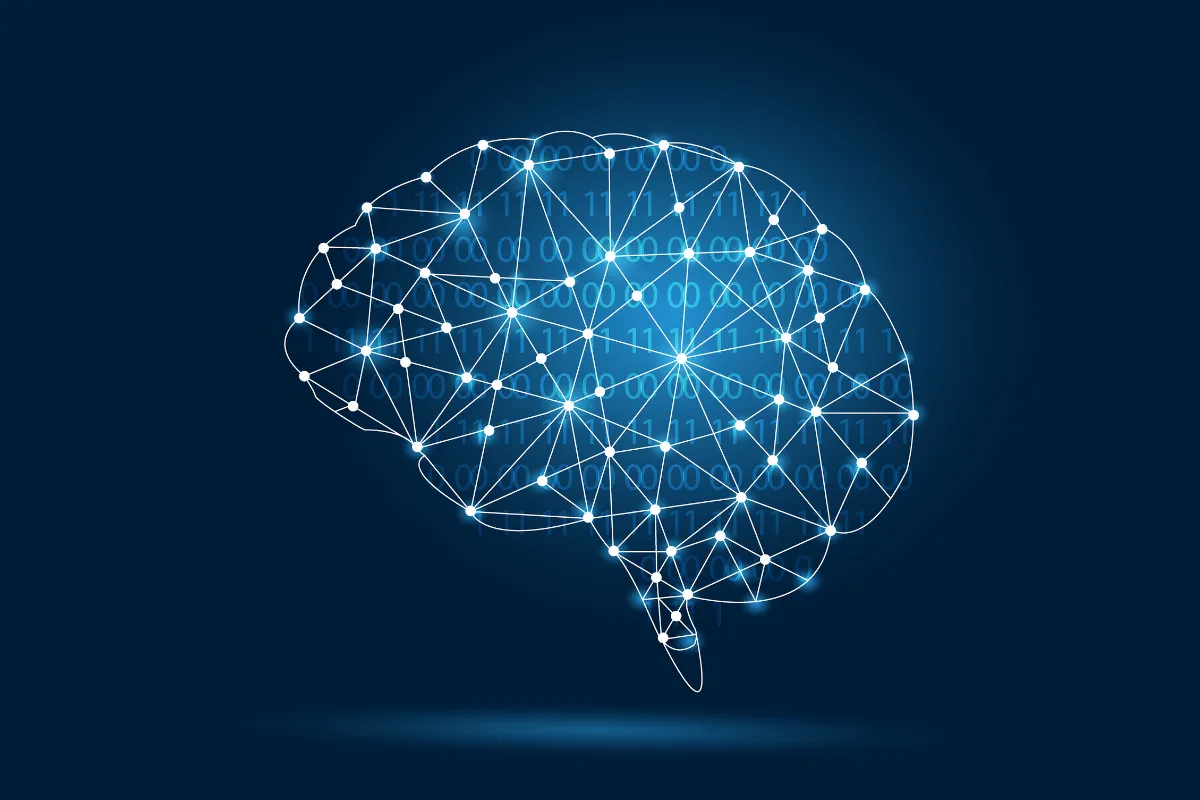
Cognitive Pattern ReprogrammingTM
Cognitive Pattern Reprogramming is designed to identify and retrain these patterns, often without the need for years of talk therapy or reliving past experiences.
This platform exists to explain the science behind this approach and introduce the methodology developed by Rob Edmonds.
Understanding How the Subconscious Mind Shapes Human Behaviour
Modern psychological science continues to reveal that much of human behaviour occurs automatically through learned mental patterns.

For decades, researchers in psychology, neuroscience, and behavioural science have studied how subconscious mental patterns influence behaviour.
These patterns form through life experiences and can shape how individuals respond to:
Pressure
Uncertainty
Conflict
Opportunity
Relationships
Personal challenges
While conscious reasoning plays a role in decision making, many behavioural responses occur automatically.
Cognitive Pattern Reprogramming is an approach designed to retrain these automatic patterns.
This platform exists to explain how this process works and how individuals can apply these insights to improve emotional regulation, resilience, and behavioural outcomes.
Most people believe they feel stuck because they lack motivation, discipline, or consistency, but that assumption points them in the wrong direction. The real issue is that behaviour is not primarily driven by conscious intention, but by automatic cognitive patterns that operate below awareness. These patterns have been learned and reinforced over time, and once established, they run faster than deliberate thought. This creates a gap between knowing what to do and actually doing it, which people often misinterpret as personal failure. In reality, the brain is simply executing familiar patterns that feel efficient and safe. Trying to override these patterns with willpower alone is ineffective because you are attempting to control an automatic system with a slower, conscious one. Until the underlying patterns are addressed, change will continue to feel difficult and inconsistent
Why Many Personal Development Approaches Struggle to Create
Lasting Change
Most strategies attempt to change behaviour consciously.
But many behavioural responses occur automatically.
People often attempt to change behaviour using strategies such as:
The reason you continue behaviours you logically want to stop is because those behaviours are driven by conditioned patterns, not conscious choice. The brain is designed to prioritise familiarity and efficiency, so once a pattern has been repeated enough, it becomes automatic and requires no active decision-making. These patterns are often linked to how your mind has learned to process stress, uncertainty, or discomfort, triggering predictable emotional and behavioural responses. Even when you are aware that a behaviour is unhelpful, the pattern still runs because it operates at a deeper, faster level than conscious reasoning. Over time, these repeated responses begin to feel like part of your identity, when in fact they are simply learned loops. This is why insight alone rarely leads to change, because understanding a behaviour does not interrupt the mechanism driving it. Without changing the pattern itself, the same actions will continue to repeat.
Motivation
Willpower
Positive thinking
Intellectual understanding
While these tools can help temporarily, they often fail to create lasting behavioural change.
This happens because many emotional reactions and behaviours are driven by automatic mental patterns stored in the subconscious mind.
When these patterns remain unchanged, behaviour often returns to familiar responses.
Cognitive Pattern ReprogrammingTM focuses on retraining these patterns rather than relying only on conscious effort.
The Science Of Subconscious Patterns
The Brain Learns Patterns to Make Life Efficient
Subconscious pattern recognition allows the brain to respond quickly without constant conscious processing.
The human brain continuously learns patterns. These patterns help automate behaviour so the brain does not need to analyse every situation consciously.
For example:
Over time, experiences can create patterns that influence how a person responds to:
Driving a car becomes automatic.
Typing becomes automatic.
Many emotional responses also become automatic.
Over time, experiences can create patterns that influence how a person responds to:
Pressure
Criticism
Uncertainty
Success
Opportunity
Some patterns are helpful. Others may limit behaviour or create stress responses.
Cognitive Pattern Reprogramming aims to retrain these automatic responses so that behaviour aligns more closely with desired outcomes.
Your brain is constantly filtering and interpreting information based on the patterns it has learned to run. Rather than responding to reality objectively, it selects what to notice, what to ignore, and how to interpret situations based on past conditioning. For example, a pattern built around doubt will bias your attention toward what is missing or uncertain, while a pattern built around anxiety will scan for potential threats. These filters influence your thoughts, emotions, and decisions in real time, often without you realising it. As the same interpretations repeat, they reinforce the underlying pattern, making it feel increasingly accurate and true. Over time, this creates a subjective experience that feels like reality itself, even though it is shaped by internal processes. This is why two people can experience the same situation differently, because they are perceiving it through different cognitive patterns.
What Is Cognitive Pattern ReprogrammingTM
A structured approach to identifying and retraining subconscious behavioural patterns.
Cognitive Pattern Reprogramming combines insights from several psychological disciplines including:
Strategic Psychotherapy
Neuro-Linguistic Programming
Clinical Hypnotherapy
Behavioural Psychology
The objective is to help individuals retrain subconscious patterns that influence emotional responses and behavioural habits.
Unlike traditional approaches that rely heavily on conscious analysis, this method focuses on the subconscious mechanisms that drive behaviour.
Many individuals find that once these patterns shift, behavioural change becomes easier and more sustainable.
Why Traditional Approaches Fail
When the Subconscious Pattern Remains, Behaviour Often Returns
Many people understand what they should do. But understanding alone does not always change behaviour.
This is because behaviour is frequently guided by subconscious pattern responses developed over many years.
When these patterns remain unchanged, behaviour can revert to familiar responses even when conscious intentions differ.
Cognitive Pattern Reprogramming focuses on updating these patterns directly.
Who Is Rob Edmonds?
Change Your Patterns, Change Your Life!
Lasting change does not come from trying harder, but from working at the level where behaviour is actually generated. This means shifting from attempting to control outcomes to understanding and influencing the patterns that produce those outcomes. The first step is developing awareness, recognising when a pattern is running rather than assuming your reaction is the only possible response. This creates a small but critical space between stimulus and reaction, where alternative responses become possible. Change then occurs through repeated, slightly different responses in these moments, gradually replacing old patterns with new ones. As these new responses are repeated, they become more familiar, and eventually automatic. Over time, this process updates how your brain predicts, responds, and behaves, leading to consistent and sustainable change. The result is not forced improvement, but a natural shift in how you operate day to day

Over 300 5-Star Reviews!
Rob Edmonds is the creator of The Mindshift Method™ and Cognitive Pattern Reprogramming™, a framework designed to help people change the subconscious thinking patterns that shape behaviour, emotion, and performance.
Rob Edmonds
Rob Edmonds - Creator of The Mindshift Method™ and Cognitive Pattern Reprogramming™
Background and Professional Focus
Rob Edmonds is an Australian Strategic Psychotherapist, Clinical Hypnotherapist, and Neuro-Linguistic Programming practitioner who works at the intersection of psychology, behavioural science, and subconscious change.
With formal training across multiple disciplines, his work focuses on understanding how subconscious cognitive patterns influence behaviour, emotional responses, and decision making in everyday life.
Development of the Methodology
Through years of clinical work with individuals, Rob observed a consistent pattern.
Many personal challenges were not caused by a lack of knowledge or motivation, but by deeply ingrained subconscious thinking patterns that automatically shaped how people responded to situations.
This insight led to the development of Cognitive Pattern Reprogramming™, a structured approach designed to help individuals recognise, interrupt, and retrain these patterns.
Approach and Philosophy
Rather than focusing on analysing the past, Rob’s approach centres on changing the underlying mental patterns that drive behaviour.
By working directly with these subconscious processes, individuals often experience meaningful shifts in how they interpret situations, regulate emotions, and respond to challenges.
Broader Impact and Platform
Rob is the co-founder of MindShift Mentors, a platform designed to make Cognitive Pattern Reprogramming accessible through structured programs, guided sessions, and digital resources.
His work extends across individuals, leaders, and organisations, with a focus on improving stress regulation, emotional resilience, performance, and behavioural outcomes.
At the core of his work is a simple principle:
When cognitive patterns change, behaviour and life outcomes can change with them.
The MindShift Method
How Cognitive Pattern Reprogramming Works
A structured process designed to help you recognise, access, and retrain the subconscious patterns influencing behaviour.
Cognitive Pattern Reprogramming is designed to work with the mind in a natural and practical way.
Rather than requiring analysis or effortful thinking, the process is structured to guide you into a relaxed, focused state where subconscious patterns can be accessed and updated.
In most cases, this involves listening to guided audio sessions that are specifically designed to work with subconscious processing.
Cognitive Pattern Reprogramming works by identifying the automatic mental and emotional loops that drive behaviour and systematically retraining them. Instead of focusing on analysing the past or relying on insight alone, it targets how the mind is operating in the present moment. The process involves recognising patterns as they occur, interrupting their automatic sequence, and introducing more adaptive responses. This retraining is done through structured, repeatable techniques that work with the brain’s natural ability to learn through repetition and experience. Over time, new patterns become more dominant, leading to changes in how stress is processed, how decisions are made, and how emotions are regulated. Because the work is focused on the automatic systems of the mind, the results extend beyond conscious effort into everyday behaviour. As these underlying patterns shift, improvements in performance, wellbeing, and consistency follow naturally
Step 1 - Identify the Pattern
The first step is becoming aware of the automatic responses you would like to change.
This may include patterns related to:
• stress or anxiety
• emotional reactions
• confidence or self-doubt
• habits or behaviours.
These patterns often appear as repeated responses in similar situations.
Recognising them is the starting point for change.
Step 2 - Access the Subconscious Response
Once a pattern is identified, the process shifts away from conscious analysis.
You are guided to sit or lie in a relaxed position, free from distraction, and listen to a structured audio session.
These sessions are designed to:
• quiet the conscious mind
• focus attention inward
• allow access to the subconscious pattern driving the response.
This state is not sleep. It is a calm, focused awareness where the mind becomes more receptive to change.
Step 3 - Retrain the Pattern
Within this relaxed state, the session introduces new cognitive frameworks and pattern responses.
Rather than forcing change through willpower, the process works by:
• interrupting the existing pattern
• introducing alternative responses
• reinforcing new ways of thinking and reacting.
Over time, as these sessions are repeated, the updated patterns begin to influence behaviour more naturally.
This often leads to changes in how situations are perceived, how emotions are regulated, and how decisions are made.
Because the process works at the level where patterns are formed, many people find that change feels more natural and requires less conscious effort compared to traditional approaches.
Who Can Benefit From Cognitive Pattern Reprogramming?
This approach is designed for individuals looking to better understand and change the subconscious patterns influencing how they think, feel, and respond.
Cognitive Pattern Reprogramming is not limited to one type of person or situation.
It is relevant anywhere subconscious patterns influence behaviour, emotional responses, or decision making.

Professionals Experiencing Stress and Pressure
For individuals managing high workloads, responsibility, or performance expectations.
ongoing stress or mental fatigue
difficulty switching off
pressure-driven thinking patterns

Individuals Experiencing Anxiety or Emotional Overwhelm
For those who notice recurring emotional responses that feel automatic or difficult to control.
anxious thought patterns
overthinking and rumination
emotional reactivity

People with ADHD-Related Thinking Patterns
For individuals who experience challenges with focus, emotional regulation, or consistency
difficulty maintaining attention
impulsive decision making
fluctuating motivation or energy

Individuals Facing Confidence or Self-Doubt Challenges
For those who feel held back by internal narratives or limiting beliefs.
self-doubt in professional or personal settings
fear of failure or judgment
hesitation in decision making

People Looking to Change Habits or Behaviour Patterns
For individuals wanting to shift behaviours that feel automatic or difficult to break
repeated habits that don’t align with goals
difficulty maintaining new behaviours
reliance on willpower without lasting results

Leaders, Business Owners, and High Performers
For those looking to improve clarity, decision making, and emotional control under pressure.
leadership stress
performance blocks
decision fatigue

Individuals Experiencing Relationship or Communication Patterns
For those who notice recurring patterns in how they respond to others.
reactive communication
conflict patterns
emotional triggers in relationships
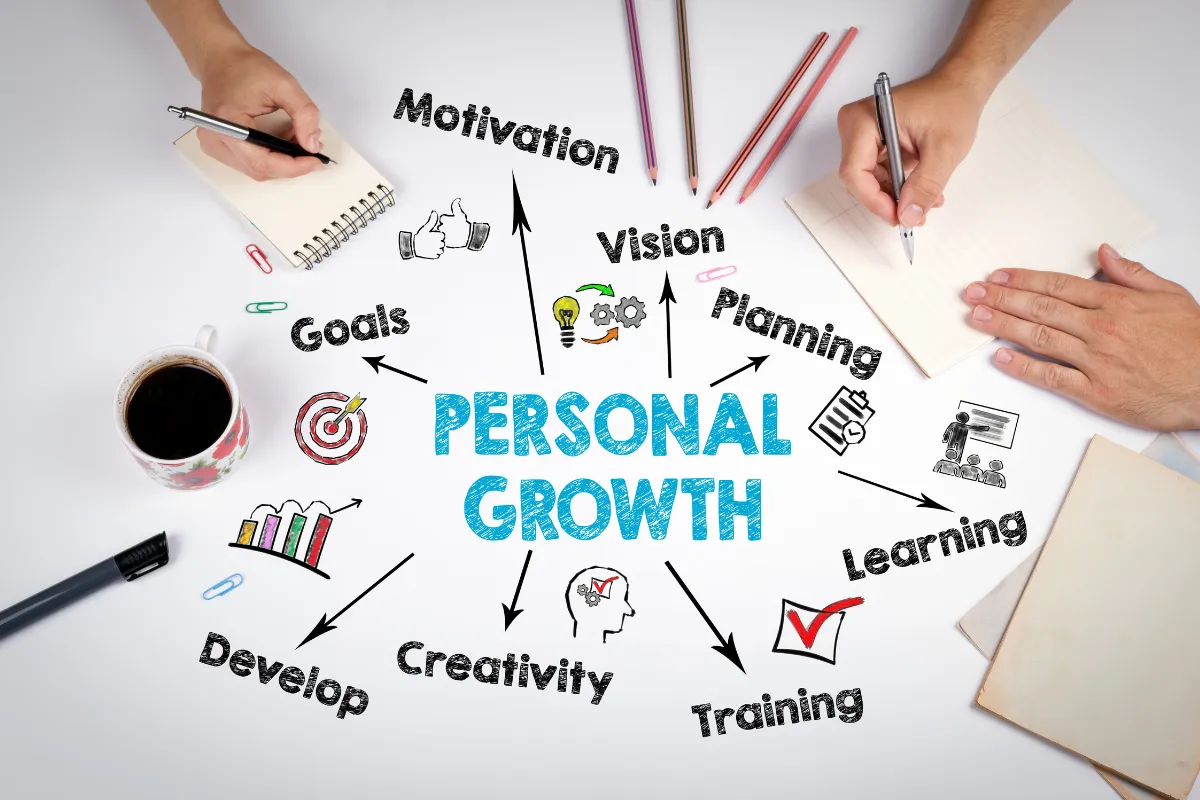
People Interested in Personal Development and Psychology
For individuals who want a deeper understanding of how the mind works.
interest in behavioural science
desire for self-awareness
curiosity about subconscious processes

Individuals Experiencing Burnout or Mental Fatigue
For those feeling mentally exhausted or overwhelmed over extended periods.
difficulty recovering from stress
low mental energy
persistent fatigue linked to thinking patterns
Can You Benefit From Cognitive Pattern Reprogramming?
We've designed this Questionnaire to enable you to see for yourself.
Real Life Transformation Examples
How Pattern Change Can Influence Real-World Outcomes
DAMIAN'S STORY
"After years working in the Justice Department and witnessing countless traumatic events, Damian began to see the quiet toll it was taking on his well-being and his family. Through our program, he addressed the hidden impacts of post-traumatic stress and reclaimed control of his life. Hear his powerful story."
Damian
MindShift Mentors Client
SHIRLEY'S MESSAGE
"At 97 years old, I received advice from Rob that truly changed my life: do what feels right so you can rest peacefully at night without worries. I’m grateful to have met Rob, and thanks to his guidance, I’m in great shape and living happily."
Shirley
MindShift Mentors Client
CRYSTAL’S STORY SLEEP & ANXIETY
"I started listening, and within just a few weeks, everything shifted. I’m finally sleeping through the night deep, restful sleep I haven’t felt in years. The constant anxiety, the overwhelm, the pressure to control everything… it’s all softened. I feel calmer, more grounded, and finally free to breathe again."
Crystal
MindShift Mentors Client
LUCY’S STORY FEAR OF HEIGHTS
"I never thought I’d stand on a balcony without panic but here I am. After just a few sessions, that tight grip of fear started to loosen. I feel steady now. Confident. I finally enjoyed the view from above without my heart racing or legs trembling. It’s like I reclaimed a part of my life I thought I’d lost."
Lucy
MindShift Mentors Client
SERVICES
The MindShift Studio Platform
Where Cognitive Pattern Reprogramming moves from understanding into practical application.
This platform has introduced the principles behind Cognitive Pattern Reprogramming.
The MindShift Studio platform is where these principles are applied in a structured and practical way.
It provides a guided environment designed to help you move beyond understanding and begin retraining the subconscious patterns that influence behaviour, emotion, and decision making.
Platform Components

Guided Audio Sessions
At the core of the method are guided audio sessions, accessed through the MindShift Method app.
These sessions are designed to be simple to use.
You sit or lie in a relaxed position, free from distraction, and listen.
Each session is carefully structured to:
guide the mind into a calm, focused state
reduce analytical thinking
access the subconscious pattern driving behaviour
introduce new pattern responses
Over time, as sessions are repeated, these updated patterns begin to influence how you naturally think, feel, and respond.
This is where the process of change occurs.

Structured Learning Modules
The platform also provides structured learning modules that deepen your understanding of how the mind works.
These modules explain:
how subconscious patterns are formed
why they influence behaviour automatically
how Cognitive Pattern Reprogramming creates change
how to apply the method effectively
On this site, you are introduced to these concepts.
Within the platform, they are organised into clear learning pathways that guide you step by step.

Behavioural Insight Tools
To support the process, behavioural insight tools help you identify the patterns most relevant to you.
These may include:
guided self-assessments
pattern recognition exercises
reflective prompts
simple diagnostic tools
These tools help you move from general understanding to personal awareness, making it easier to select the most relevant sessions and apply the method more effectively.
Together, these components create a simple progression:
Understand the pattern → Identify your pattern → Retrain the pattern
Rob's Work Today
Today, Rob continues to develop Cognitive Pattern Reprogramming™ and The MindShift Method™, create guided MindShift sessions and educational resources, and contribute to programs for individuals and organisations.
His work continues to explore how recognising recurring patterns in thinking and responding can provide a practical starting point for personal change.
At the centre of his work is a practical question:
What happens when, instead of focusing only on the behaviour we want to change, we become better at recognising the recurring patterns associated with how we think and respond?

Stay connected and informed. Subscribe to our newsletter for expert tips, mental wellness resources, and updates straight to your inbox. Join our community and start your journey to Cognitive Patter Reprogramming today!
Connect With Us
© MindShift Studio 2026 All Rights Reserved.